
Originally published 2026-11-14 · VWU.AI
How to Validate AI Agent–Generated Simulation Video
Turn scene intent into verifiable constraints, audit each agent change, and check footage, simulator state and labels before training.
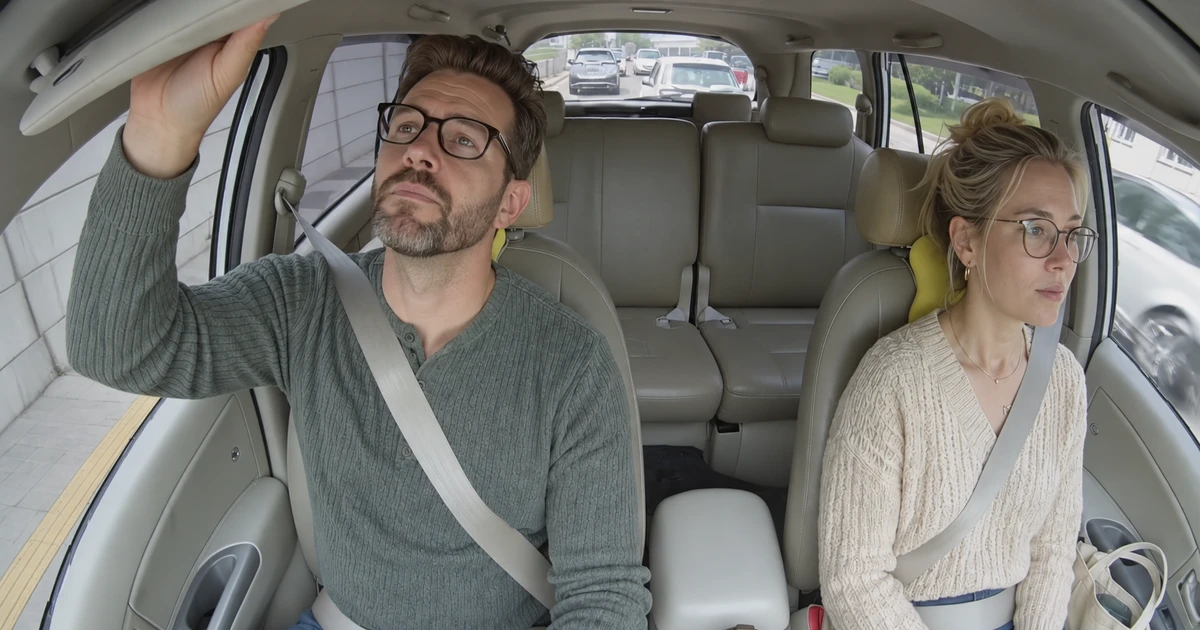
Start with the acceptance criteria. NVIDIA’s November 5, 2026 report describes developers guiding agents in natural language to build and inspect simulation applications with Omniverse libraries. It emphasizes human review. It does not establish that the resulting videos are fit for training.
Define verifiable constraints
For a cabin retrieval task, specify the actor, seat, initial object position, approach and contact events, and expected completion. Record visibility and contact evidence separately. Lighting and clothing may vary within agreed limits, but changing the driver into a passenger changes the task.
Audit every revision
Approve one type of change per iteration. Keep the asset and parameter diff, the reason for the change, the labels to regenerate, and the checks that must run again. Verify fixes with independent rules and human spot checks rather than an agent’s own summary.
Check footage, state and labels independently
Look for clipping, motion jumps, flicker and unexplained occlusion in the video. Check physical contact and object motion in simulator state. Overlay labels on synchronized footage to verify event boundaries and actor identity. Apparent overlap alone does not prove contact.
Work through a hypothetical cup retrieval
If the driver reaches for a cup but it stays in place, the clip does not establish a successful pickup. Moving the cup from the console to the driver’s lap creates a different variant. If the next version completes pickup behind the steering wheel, retain it as an occlusion case and mark visual contact as indeterminate. Include counterexamples such as reaching and withdrawing, a passenger picking up the cup, and a hand passing above it.
Verify replay and split by scene family
Record asset and generator versions, physics, rendering, cameras, environment and seed. Check semantic replay separately from pixel or label alignment. Group related renders and near duplicates together when splitting training and evaluation.
Validate a pilot before scaling
Freeze a small batch. Review intent and diffs, run automated checks, manually inspect ambiguity and counterexamples, then replay and audit the split. Evaluate training impact on independent real footage, including critical slices. If only dataset checks pass, record training benefit as unverified.