

Synthetic Video Quality: A Temporal Consistency Review
Review synthetic cabin video for identity drift, object continuity, action validity and timing, using reproducible defect records rather than appearance alone.
Define the model task, observable labels and acceptance checks before choosing video quantities and a production plan.
Review synthetic cabin video for identity drift, object continuity, action validity and timing, using reproducible defect records rather than appearance alone.
Assess a new driver-monitoring camera position through observable regions, occlusion, matched samples and independent evaluation before ordering replacement data.

Build a reviewable DMS data pilot with agreed scope, sample selection, defect records, correction rules and separate checks for dataset conformance and model performance.
Compare public driver-monitoring datasets with custom data by permitted use, camera fit, labels, coverage and acceptance evidence before commissioning a new collection.
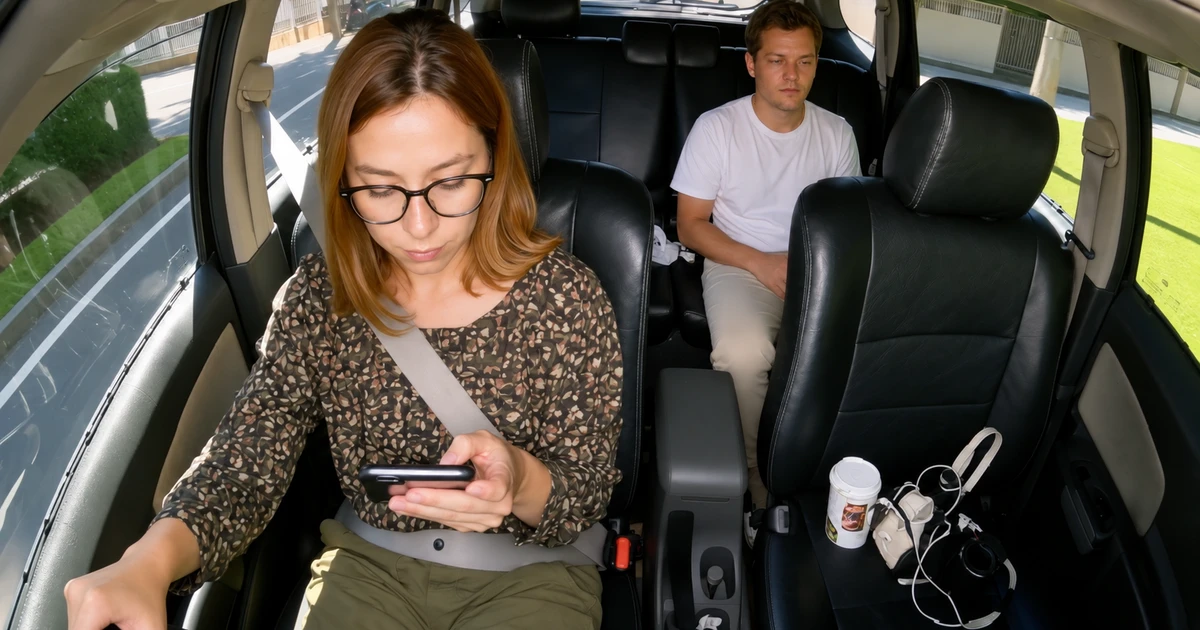
Learn how video event annotations connect time intervals, observable evidence, unknown states and review records, with an in-cabin dataset acceptance example.

Validate seating roles, camera geometry, occlusion and target-domain performance before transferring cabin vision data.
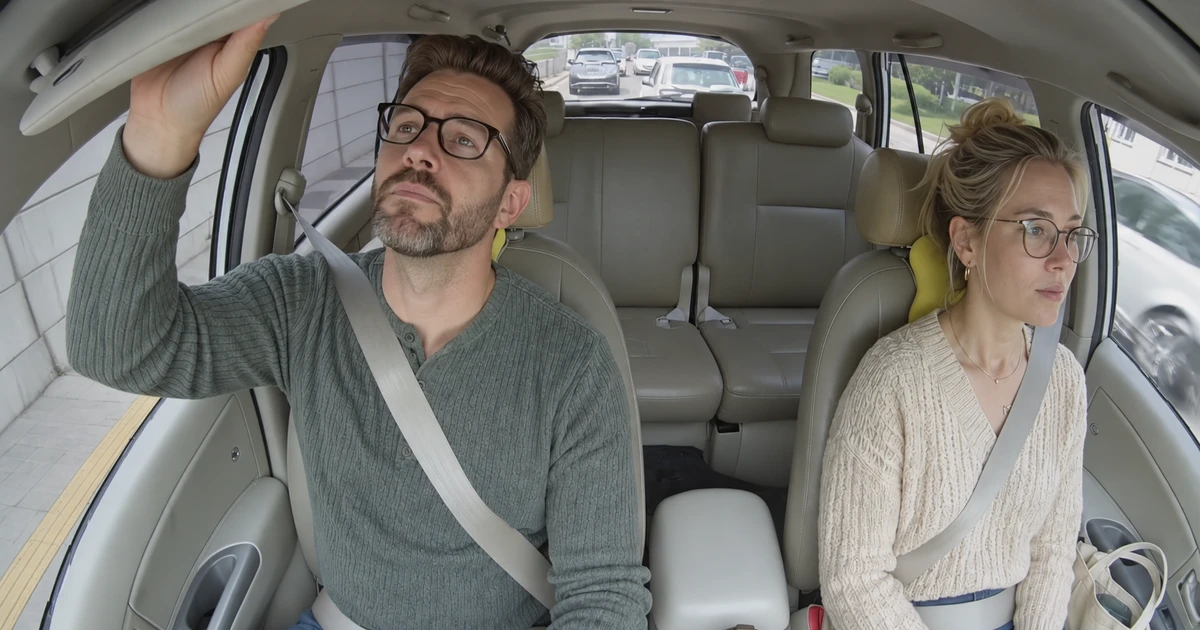
Turn scene intent into verifiable constraints, audit each agent change, and check footage, simulator state and labels before training.
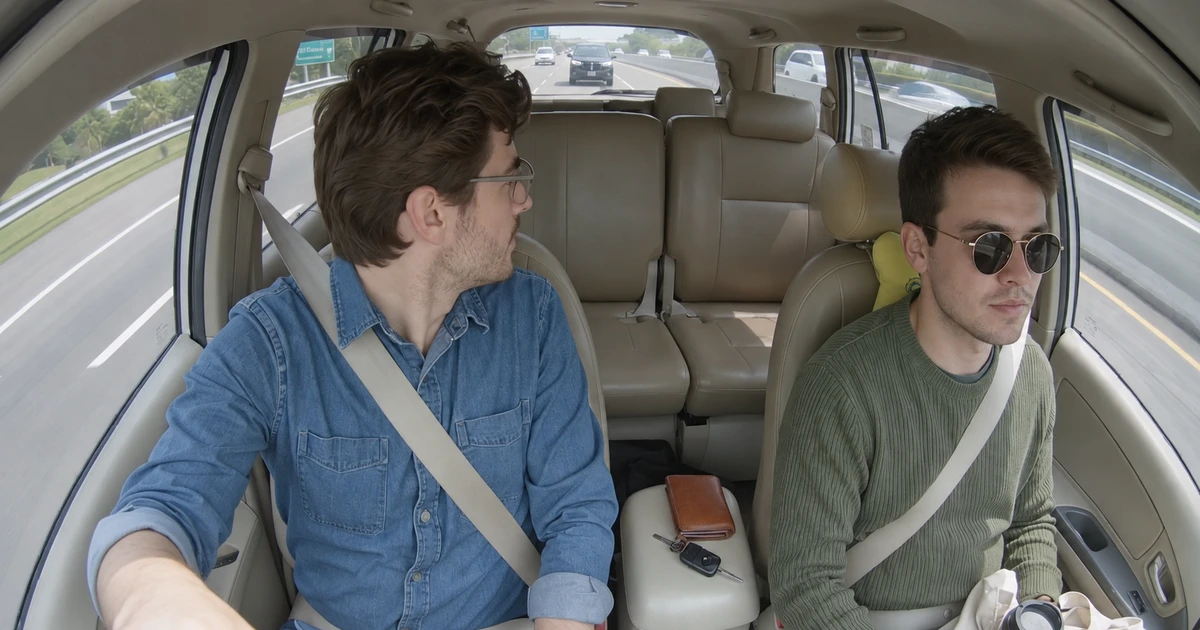
Connect observed failures, follow-up data, annotation versions and independent testing in a robot video workflow.
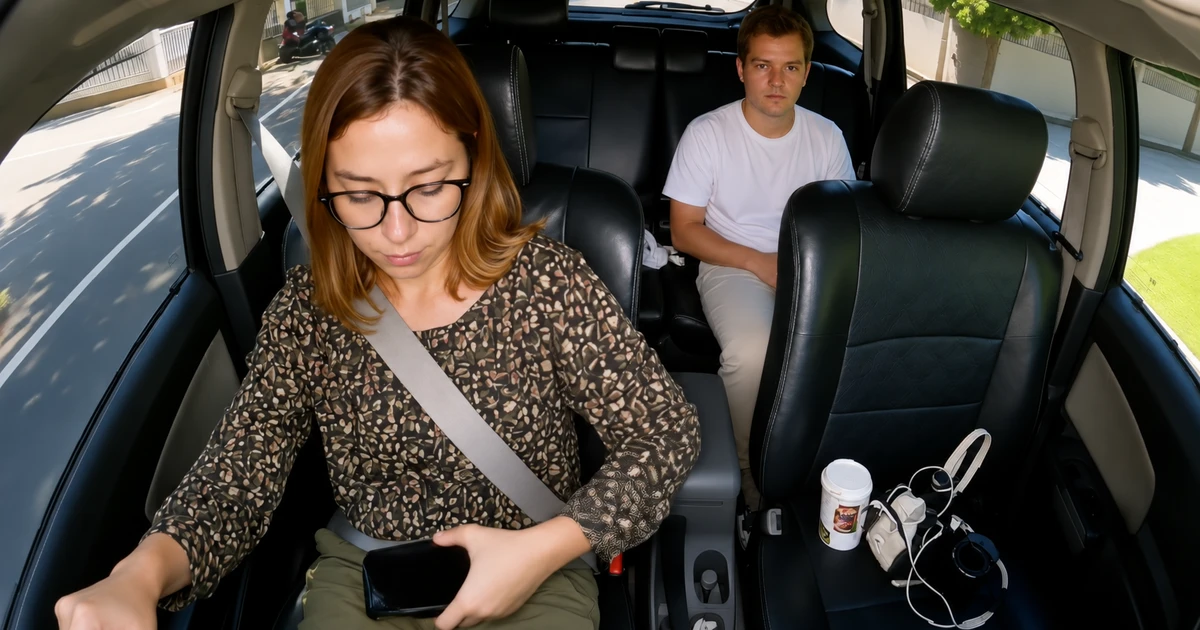
Validate time, camera geometry, object identity and action labels before accepting paired visual data.

Define what a visual dataset supports, how to label indeterminate observations, and how to validate boundary cases on independent real footage.
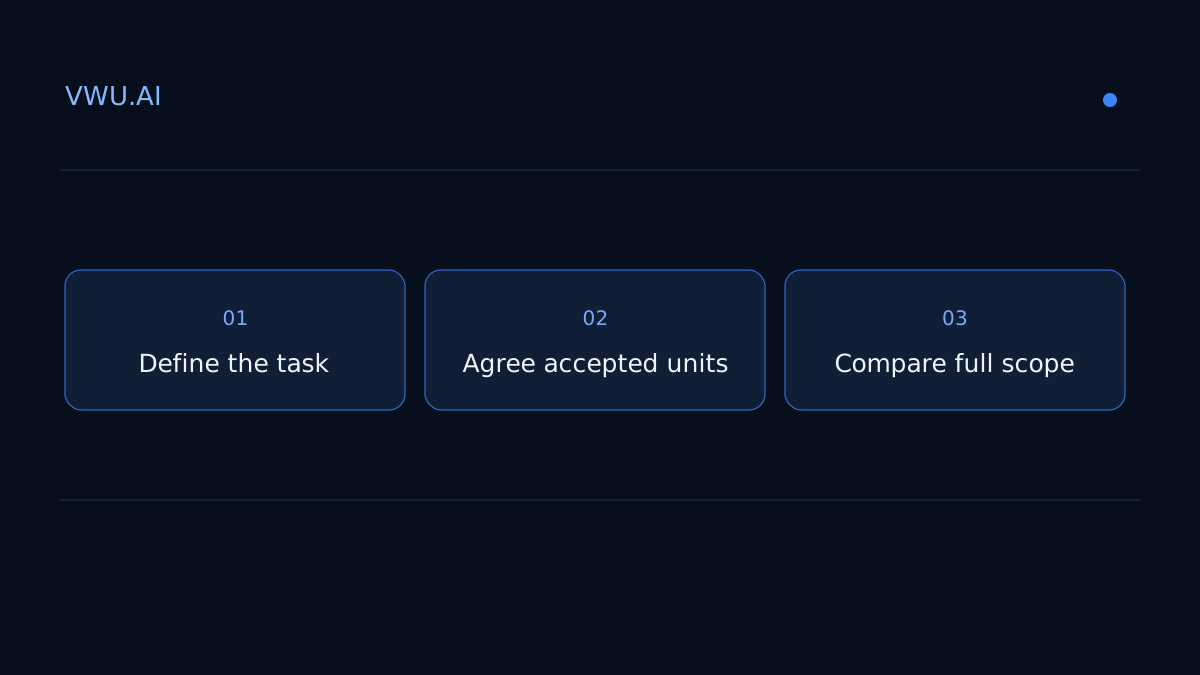
Compare custom DMS data quotes by accepted clips, camera conditions, labels, review, rights and rework. Includes a practical request template and scope checklist.
· Original illustrated guide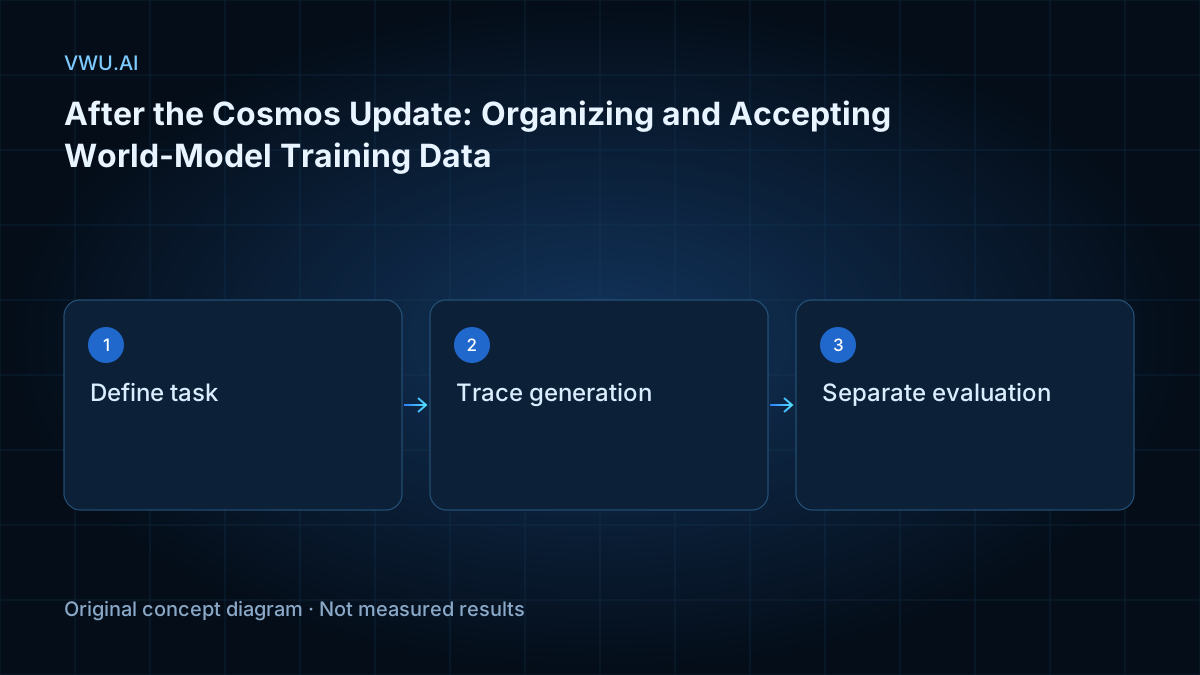
A practical world-model data plan following recent NVIDIA Cosmos updates: task intent, real-world anchors, generation conditions, label versions and independent evaluation, with a delivery checklist and in-cabin examples.
2026-11-10 · Original illustrated guide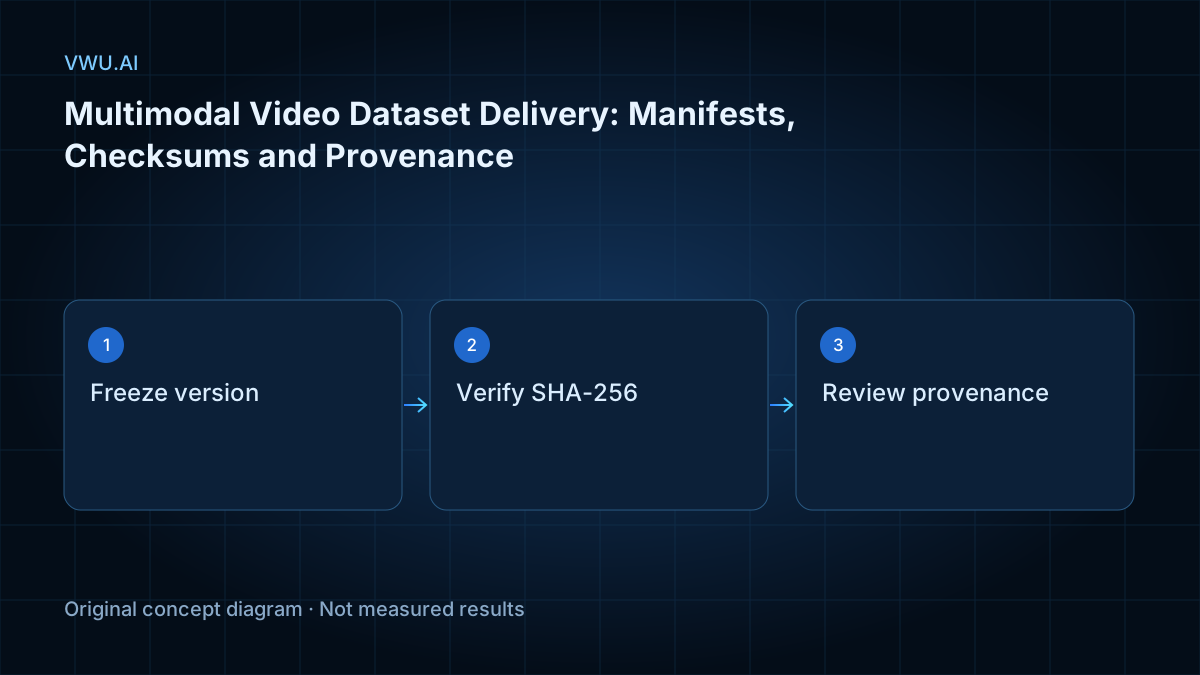
Validate video training-data deliveries with file manifests, explicit SHA-256 checks and versioned provenance while separating integrity, content quality and rights.
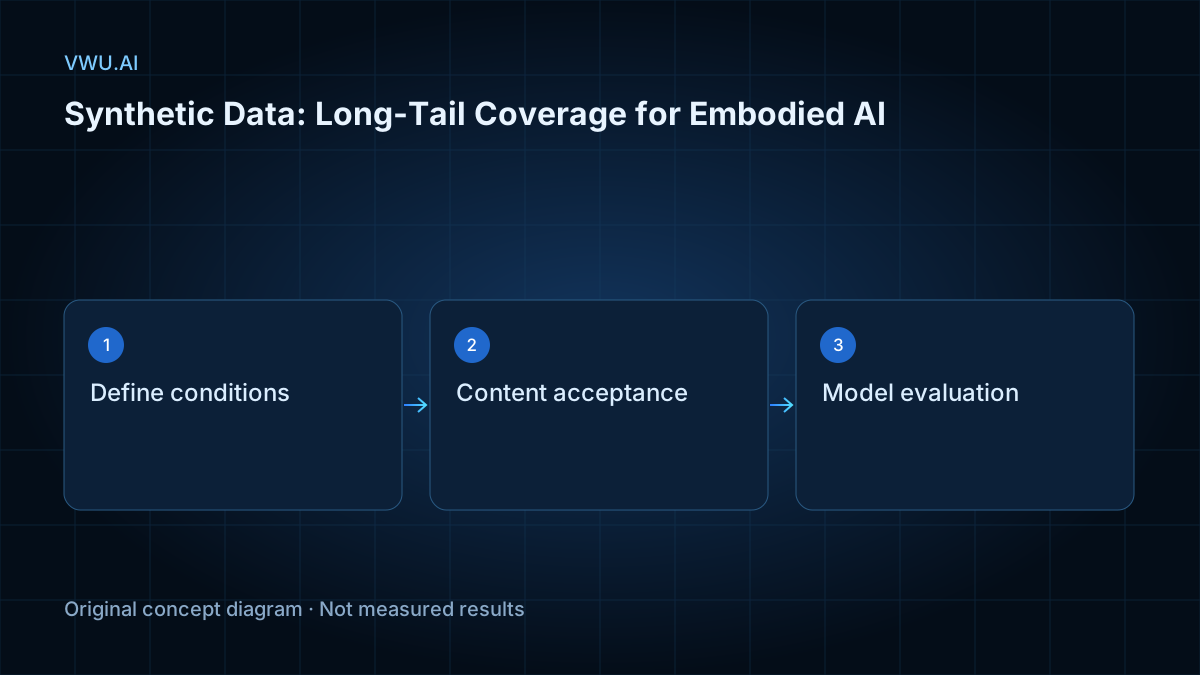
Plan synthetic video around task-relevant condition combinations, separate generated and validated coverage, and define evidence for long-tail dataset acceptance.
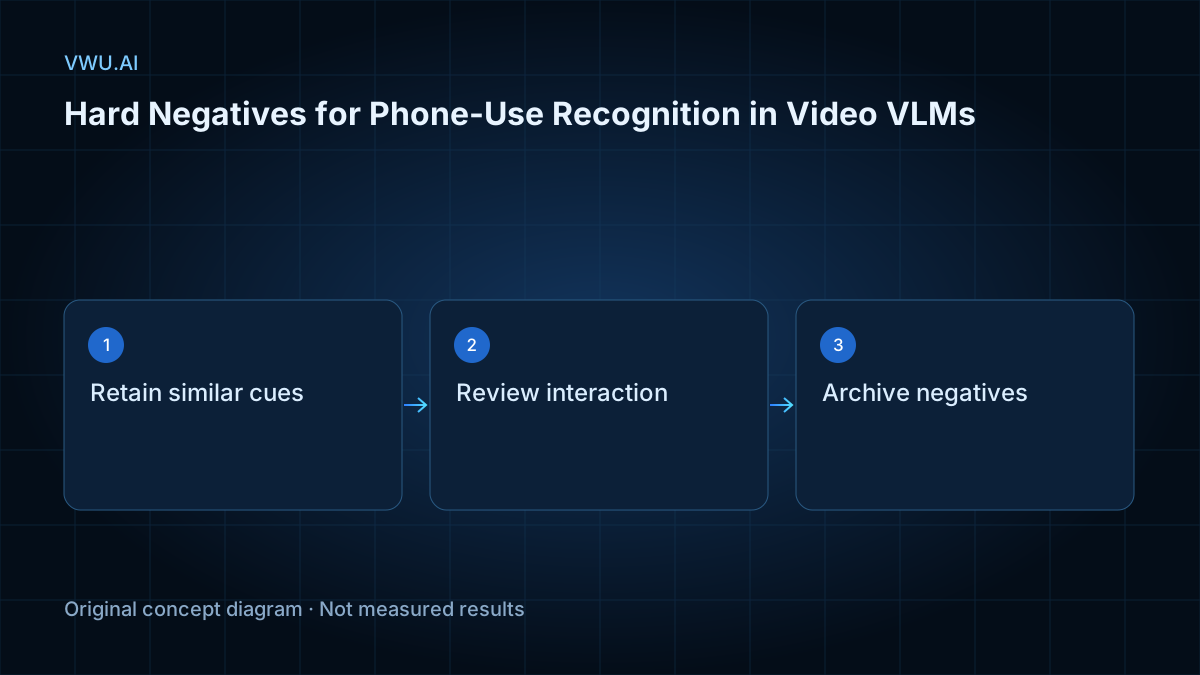
Design reviewable hard negatives for cabin video understanding by separating phone presence, actor identity and observable interaction instead of relying on visual shortcuts.
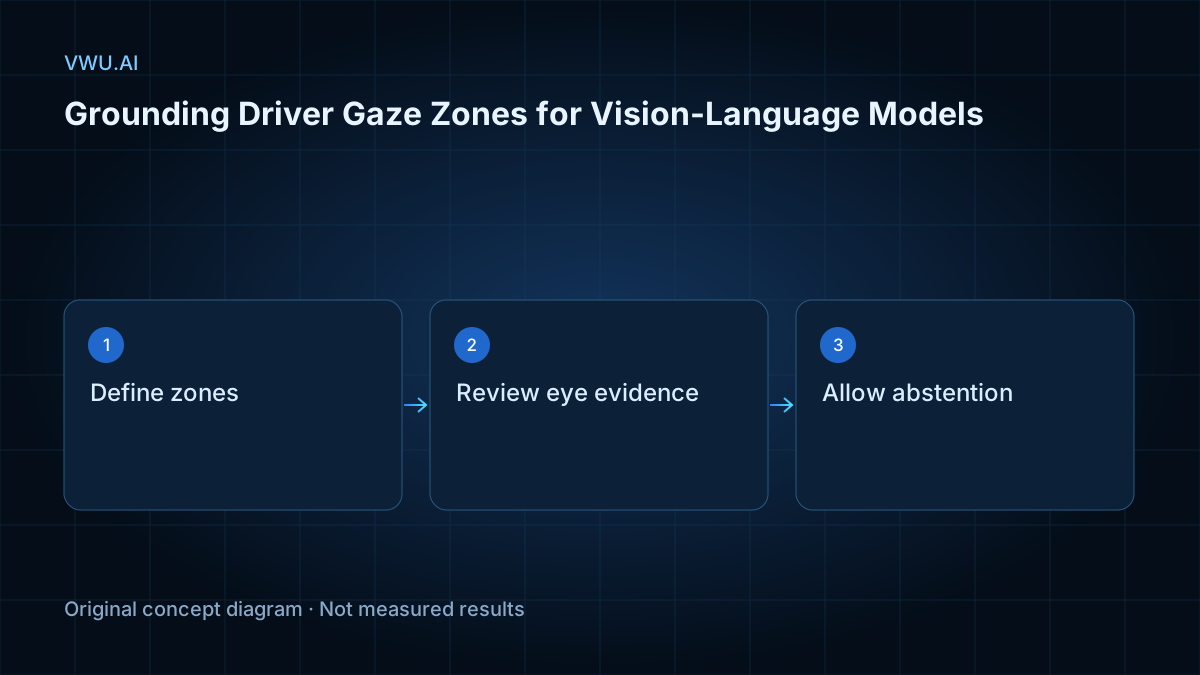
Define cabin gaze zones, directional conventions and abstention rules so VLM answers map to reviewable locations without confusing head pose with attention.
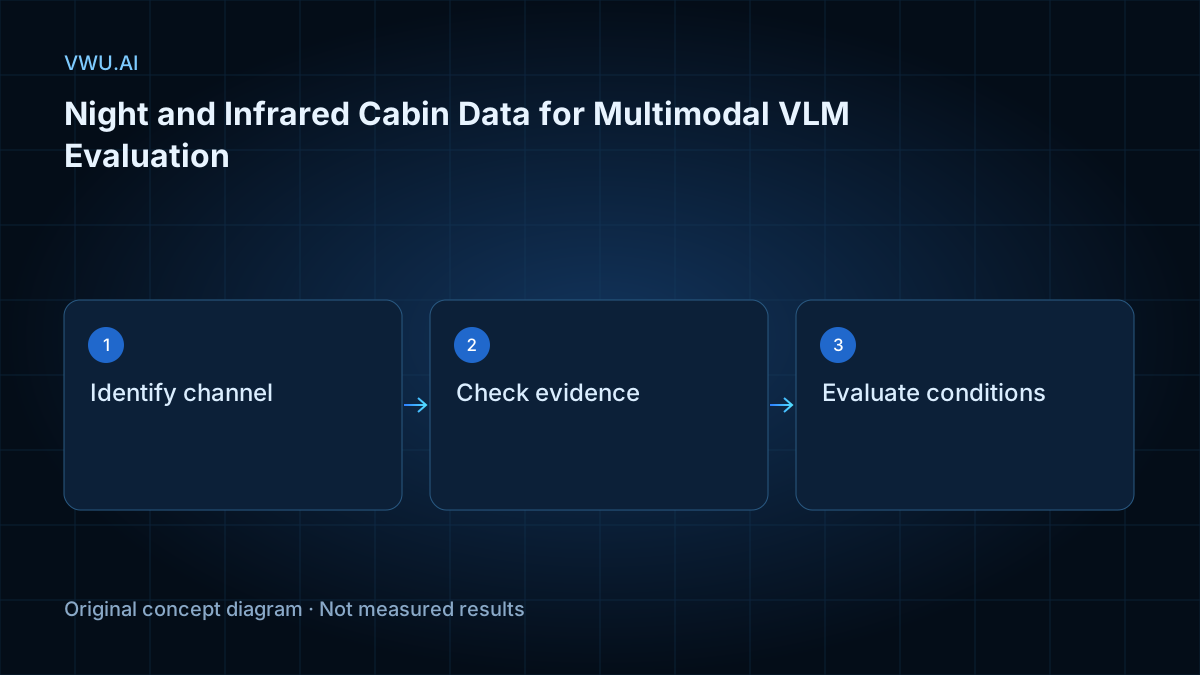
A practical acceptance workflow for night and infrared cabin data: distinguish sensor channels, preserve observable evidence, and evaluate multimodal models by imaging condition.
2026-11-05 · Original illustrated guide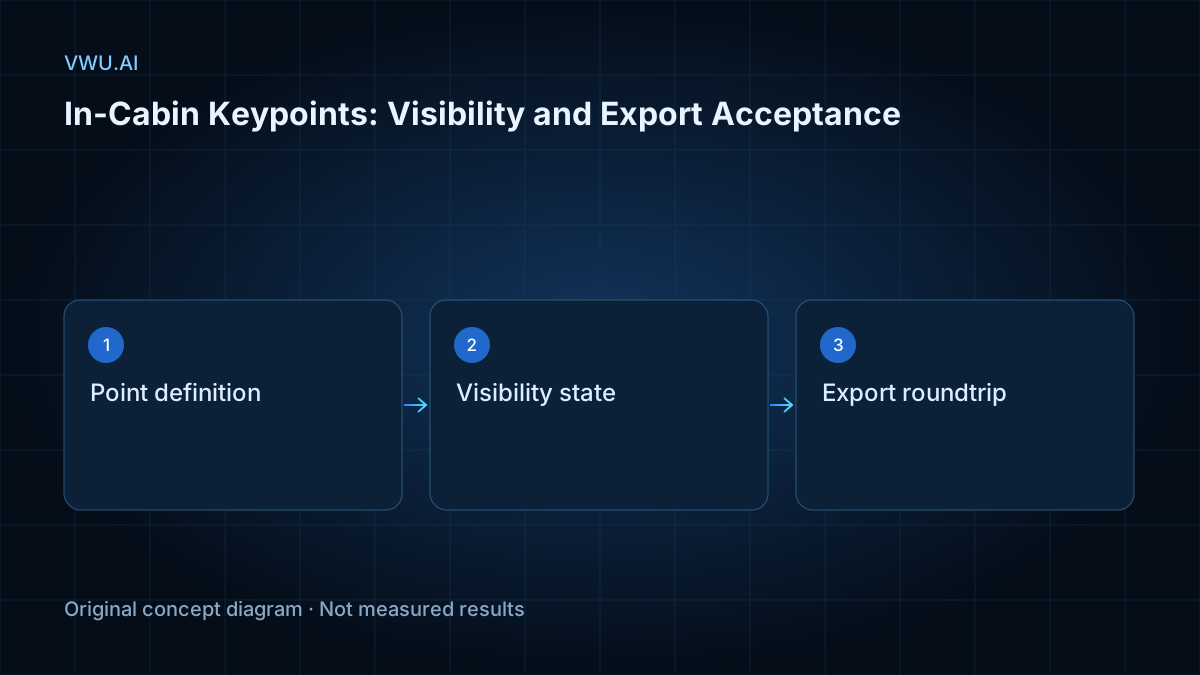
Check in-cabin keypoint visibility, occlusion, frame boundaries and export mappings with a documented roundtrip test before accepting training annotations.
2026-11-04 · Illustrated workflow guide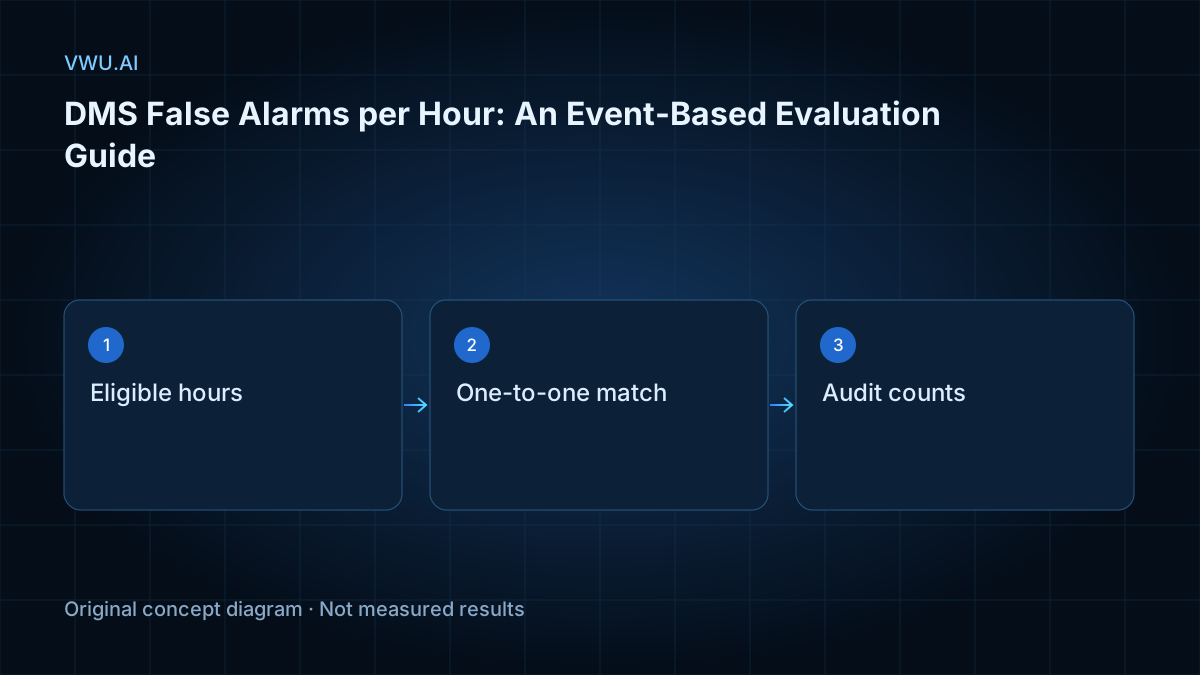
Define eligible driving hours, match DMS alerts one to one, and report false alerts, event recall and detection delay with a reproducible acceptance ledger.
2026-11-02 · Illustrated workflow guide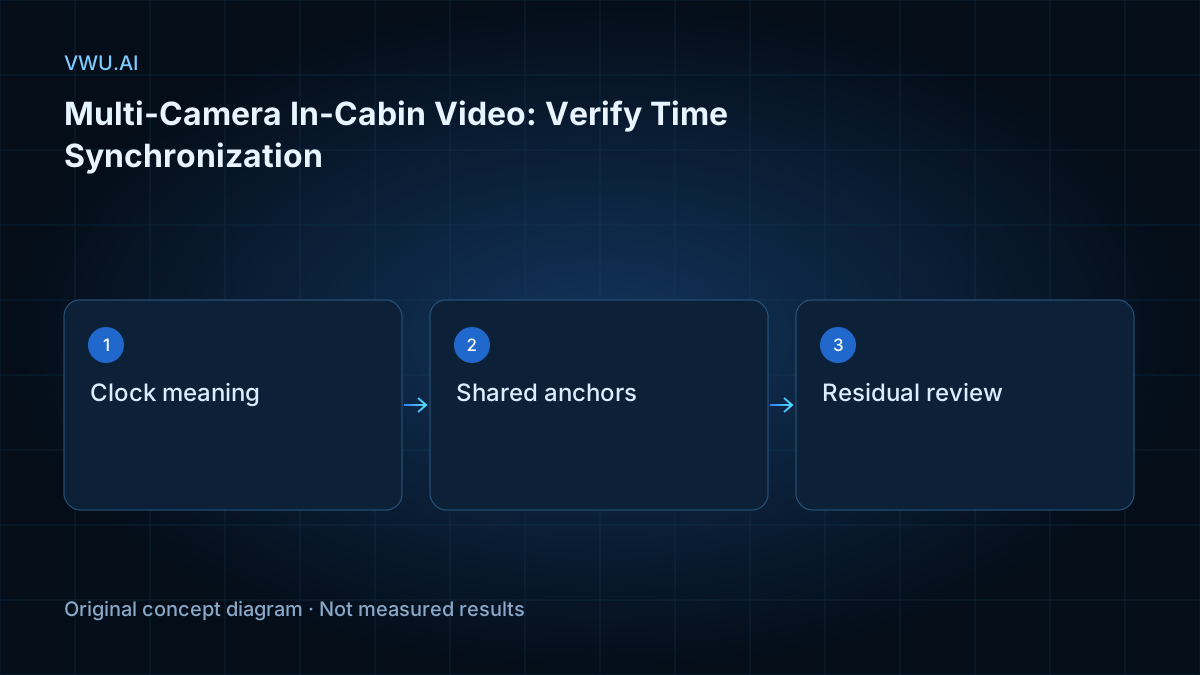
Check timestamp meanings, shared event offsets and export mappings before combining in-cabin camera views, with a practical synchronization acceptance workflow.
2026-11-01 · Illustrated workflow guide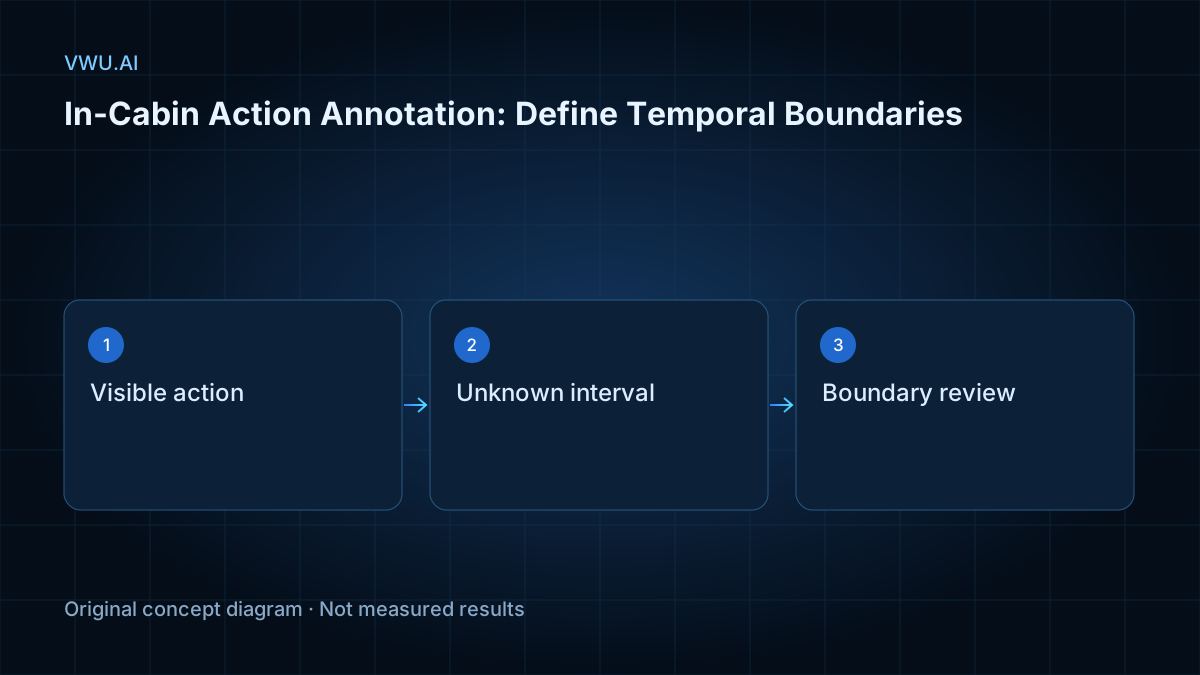
Define start and end rules, occlusion states and boundary checks for in-cabin action video, with a worked temporal IoU example and delivery checklist.
2026-10-31 · Illustrated workflow guide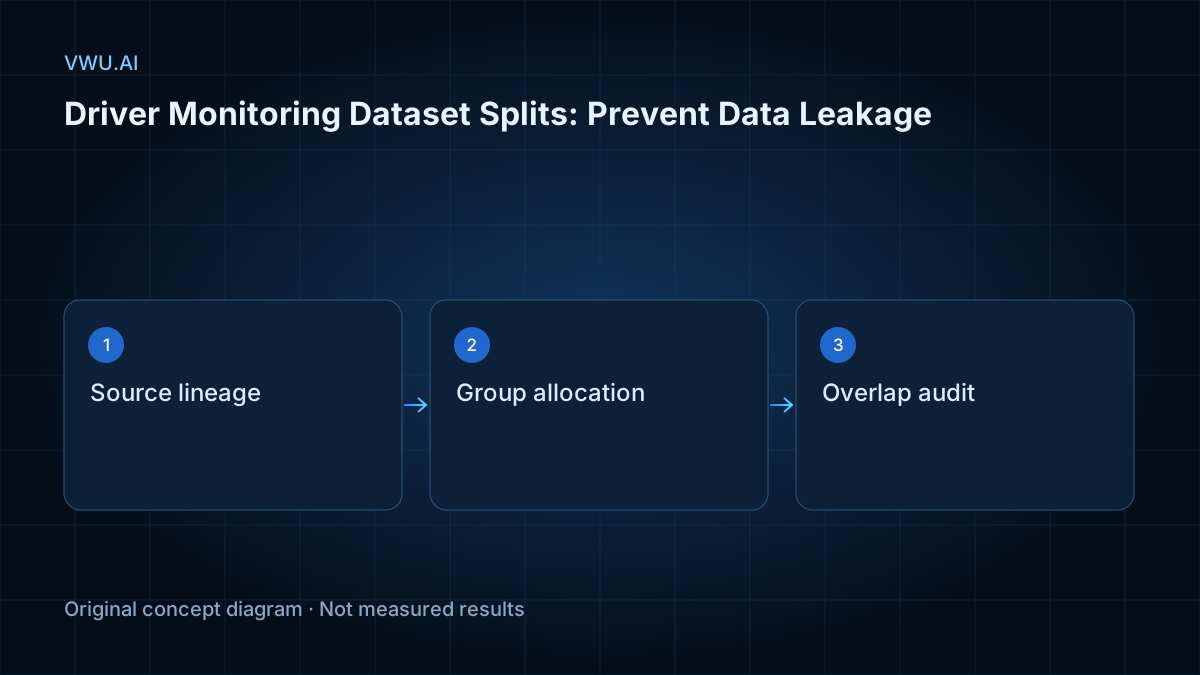
Build a split manifest for driver-monitoring video, keep source recordings and derivatives together, and audit driver, session and lineage overlap before training.
2026-10-29 · Illustrated workflow guideDMS and OMS training data: procurement and acceptance checklist
Define drowsiness dataset targets, observable labels, event boundaries and pilot acceptance before ordering driver-monitoring training data.
Specify driver distraction labels, actor roles, hard negatives, uncertain cases and event timing before accepting a video training dataset.
Compare synthetic and captured in-cabin training data with independent test sets, clear controls, source checks and condition-level evaluation.
Define video annotation defects, review samples, timing checks and export validation, then document corrections and reinspection before acceptance.
Discuss your scenarios, video specifications and annotation needs