
Published 2026-11-19 · VWU.AI
DMS Camera Placement Changes: A Training-Data Review Plan
Assess a new driver-monitoring camera position through observable regions, occlusion, matched samples and independent evaluation before ordering replacement data.
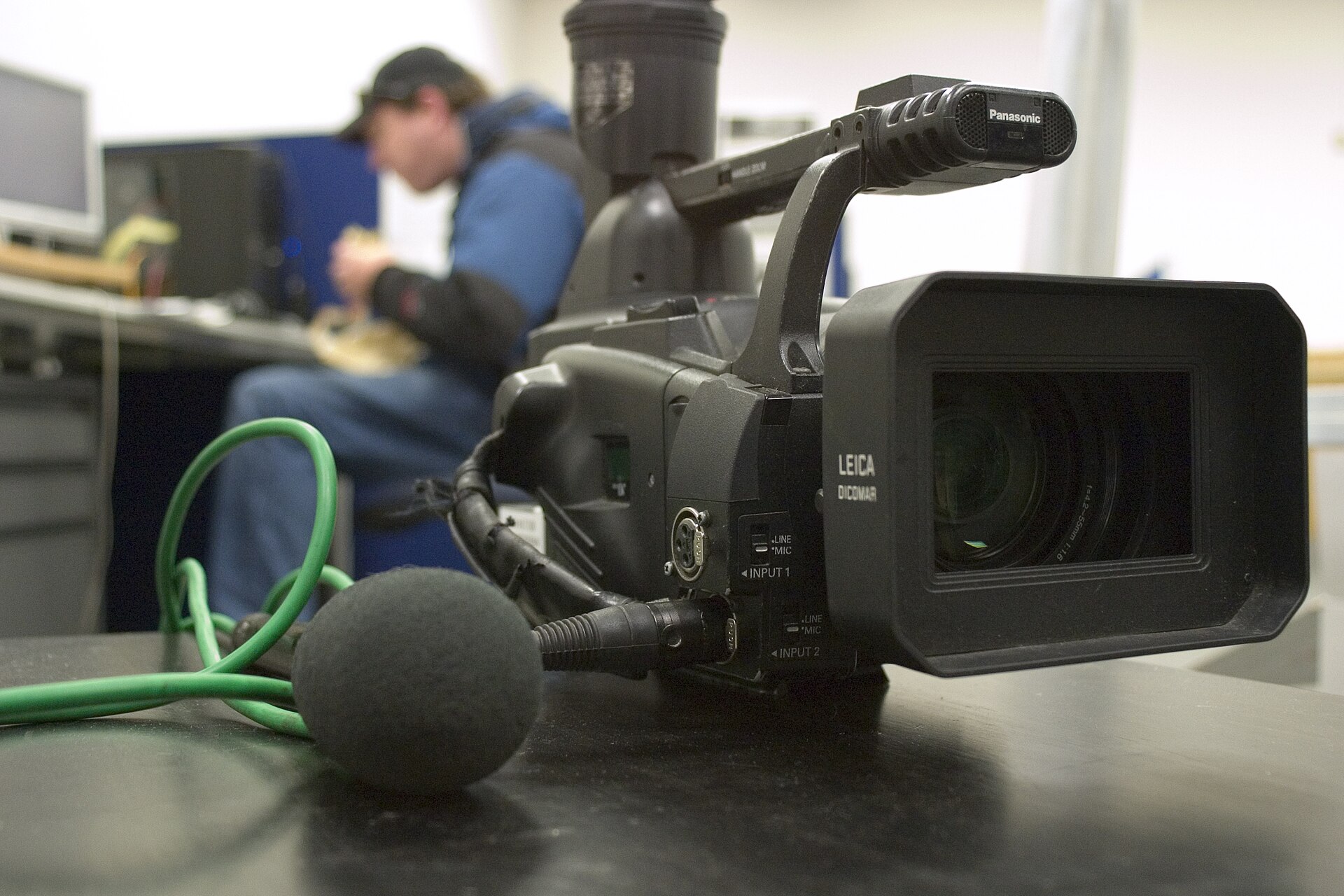
Moving a DMS camera should trigger a data review, not an automatic decision to replace every training clip. First identify what the new view changes, which labels remain observable and which conditions are no longer represented. Then test a bounded data change against a documented baseline.
The plan below is an editorial workflow for camera-related data procurement. It does not specify a safe mounting position, certify a DMS installation or claim that VWU.AI can reproduce any requested sensor. Vehicle integration and sensor feasibility require their own engineering review.
Record both camera configurations
Create a versioned record for the previous and proposed setup. Include mounting location, orientation, field of view, image dimensions, frame rate and available calibration information. Record the seat position range, relevant vehicle interior features and any crop or resize applied before model input.
Separate physical camera changes from software transformations. A sensor moved sideways, an image cropped in software and a lens changed to a wider field of view are not interchangeable changes. If several variables change together, the resulting comparison cannot isolate the effect of camera position alone.
Describe the observation gap before requesting new clips
Review the target regions: eyes, head, hands, phone, belt or other task-specific objects. For each, record visibility in the relevant postures and expected occlusions. A hand may be visible in one view and hidden by the steering wheel in another. An event label that depends on eye evidence should not be treated as negative merely because the eyes are no longer observable.
Ask whether labels require revision under the new view. Keep an explicit unknown state and a reason when observation is insufficient. Link this record to the keypoint visibility guide rather than inventing a new meaning for an existing label.
Build a controlled comparison matrix
| Change to investigate | Hold constant where feasible | Evidence to compare |
|---|---|---|
| Mount position or angle | Task, output definition and review rules | Visibility and task performance by condition |
| Crop or resize | Source recording and label reference | Lost regions and label-coordinate alignment |
| Cabin or seat geometry | Camera version and behavior definition | Occlusion and framing differences |
| Lighting or modality | Mounting record and target action | Observation availability and sensor-specific limitations |
These controls are recommendations. When variables cannot be matched, record the confound instead of presenting the result as a clean causal comparison.
NVIDIA’s viewpoint research article examines changed sensor configurations in exterior autonomous-vehicle perception. It motivates a controlled viewpoint check; its results do not establish performance for an in-cabin task or for your camera.
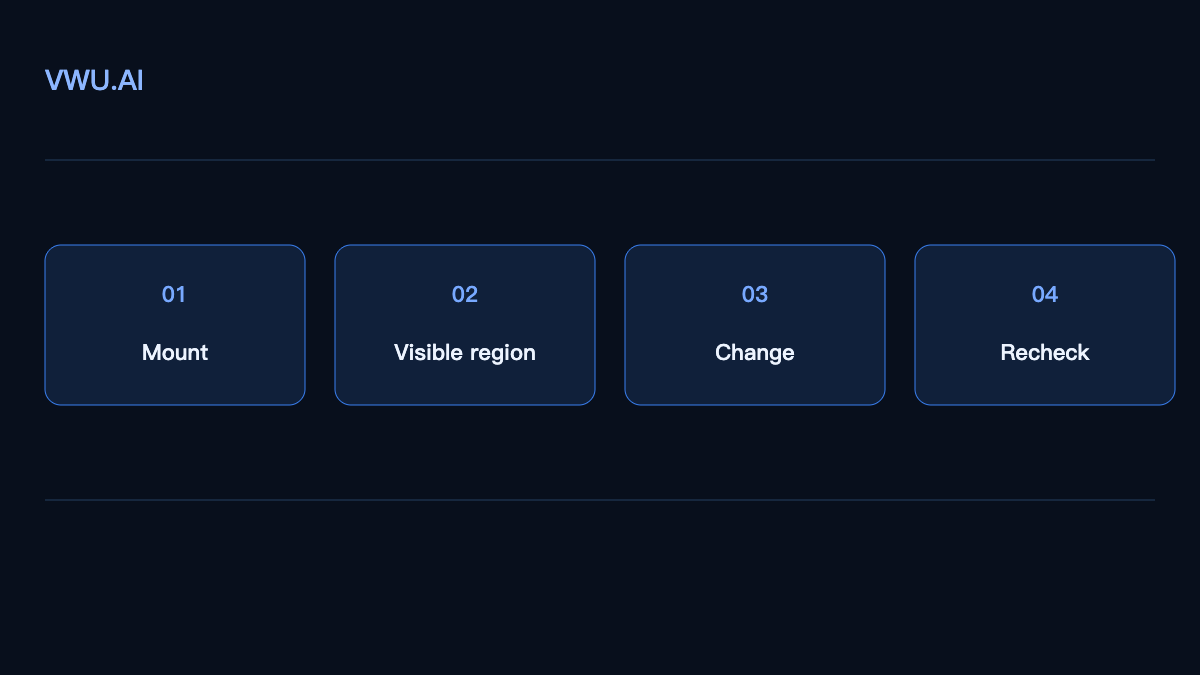
Original editorial workflow diagram; not measured results.
Check data conformance before model performance
Inspect samples from both setups in the actual reader. Confirm that the image orientation is correct, coordinates are transformed consistently and timestamps retain their meaning. Keep the original camera version in metadata after conversion. A resized image may be readable while its bounding boxes or keypoints are wrong.
If synchronized views exist, verify their alignment before using them as matched evidence. If they do not exist, do not describe unrelated recordings as paired samples. The multi-camera synchronization guide explains the separate time checks.
Test one bounded update
Define the baseline, proposed data addition, training settings, evaluation partitions and decision metrics before comparing outcomes. Keep people and source recordings appropriately separated. Inspect results by relevant conditions rather than relying only on an aggregate score. Record missed events, false alarms and observation availability using task-specific definitions.
Possible outcomes include keeping the existing data, adding a focused subset for the new view, revising labels, collecting further evidence, or rejecting the proposed scope. No single outcome follows from moving the camera. A data change that helps one condition may leave another unresolved, so preserve the baseline and the comparison record.
Convert the gap into an orderable brief
A supplier brief should contain the camera-version record, affected behaviors, required visible regions, difficult postures, label definitions and proposed acceptance evidence. Ask the supplier to confirm what can be produced and what cannot. A requested infrared output, for example, requires explicit feasibility evidence; grayscale appearance alone is not enough.
Specify a pilot that checks the actual mismatch before agreeing the batch. Clarify whether a change to view or label rules affects the quote and accepted quantity. The DMS cost guide helps keep that scope comparable.
Discuss a camera-related data gap with VWU.AI. Include reference specifications and task requirements without sending unnecessary personal footage.
Sources and scope
The cited primary source was checked on November 10, 2026. The comparison matrix and procurement steps are recommendations, not a mounting standard, model benchmark or sensor simulation capability claim. Corrections: chan@vwu.ai.
Image credit
Video Camera & Microphone — Panelxf. CC0 1.0.
Original image and attribution
Reference photo for context. Resized and cropped for display; no endorsement is implied.