
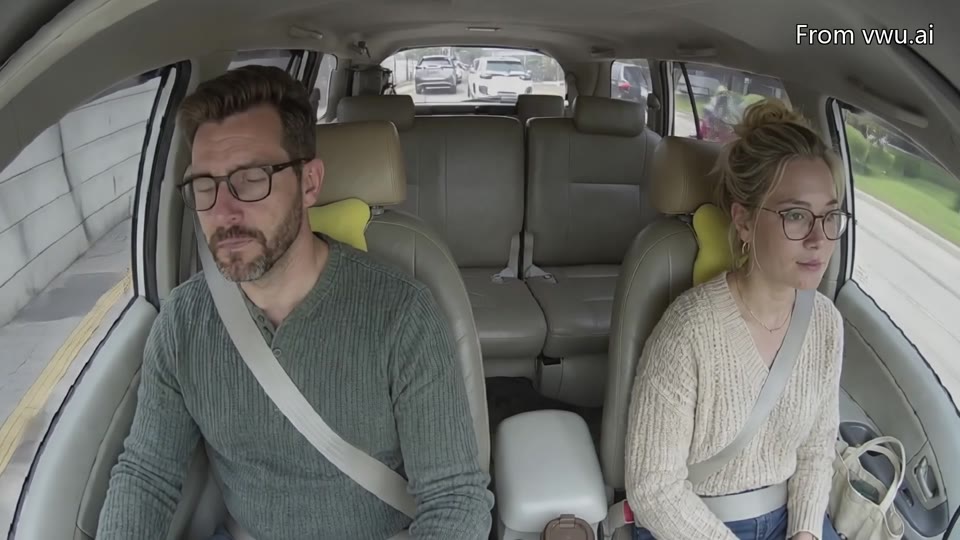
Cognitive distraction
Use the visible sequence to define the behavior label; the title is not a verified measure of attention.
Review the synthetic in-cabin video examples already published by VWU.AI. Use them to discuss observable behaviors, camera conditions and annotation requirements for a custom project.
These are public demonstration clips, not customer delivery records, a downloadable benchmark or evidence of model accuracy. A production commitment requires a separate project sample and agreed acceptance criteria.
These are the existing VWU.AI website demonstrations, reused from the same media files. The notes help define a request; the displayed titles are not represented as audited annotations.
Use the visible sequence to define the behavior label; the title is not a verified measure of attention.
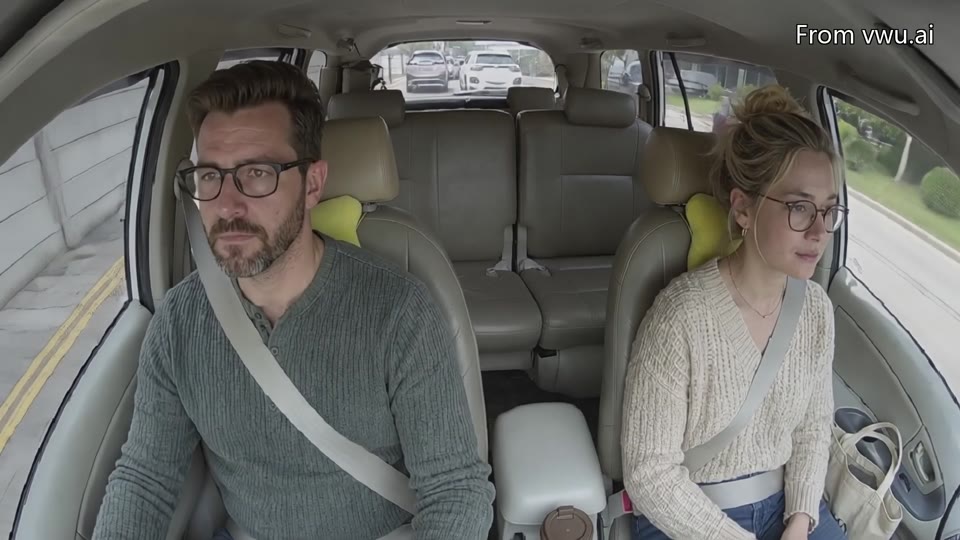
Discuss visible cues, duration and normal alternatives; no medical status is established.
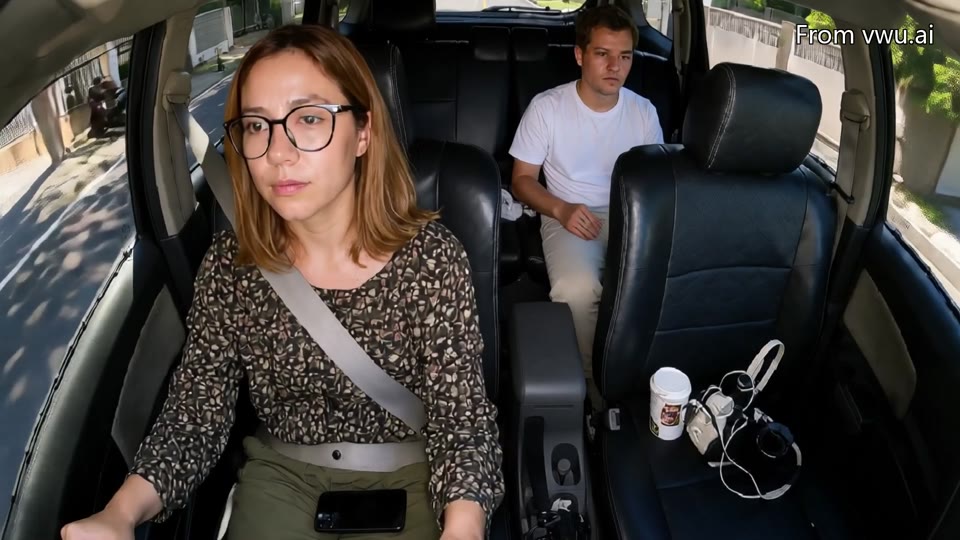
Review person roles, object visibility and the exact phone-related action.
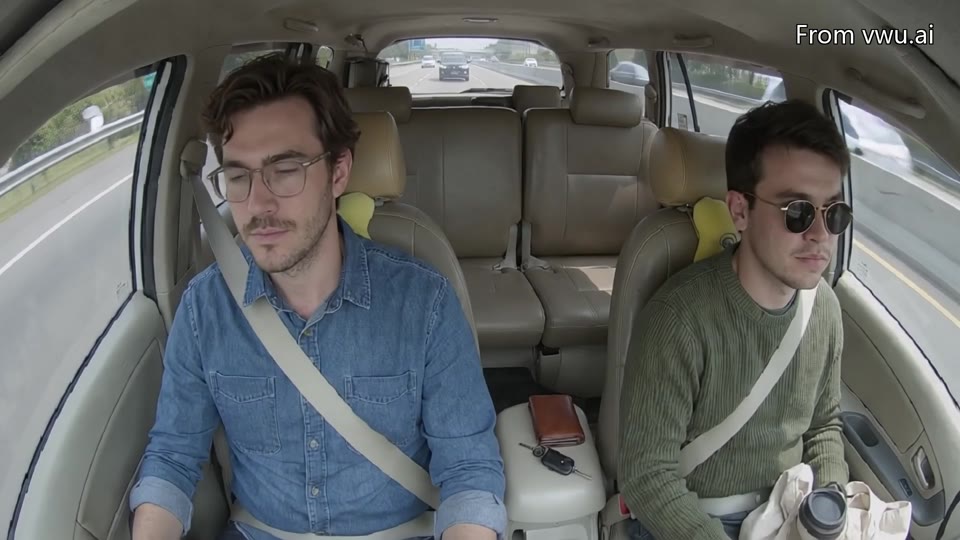
Discuss eye visibility and timing; a blink alone does not establish drowsiness.
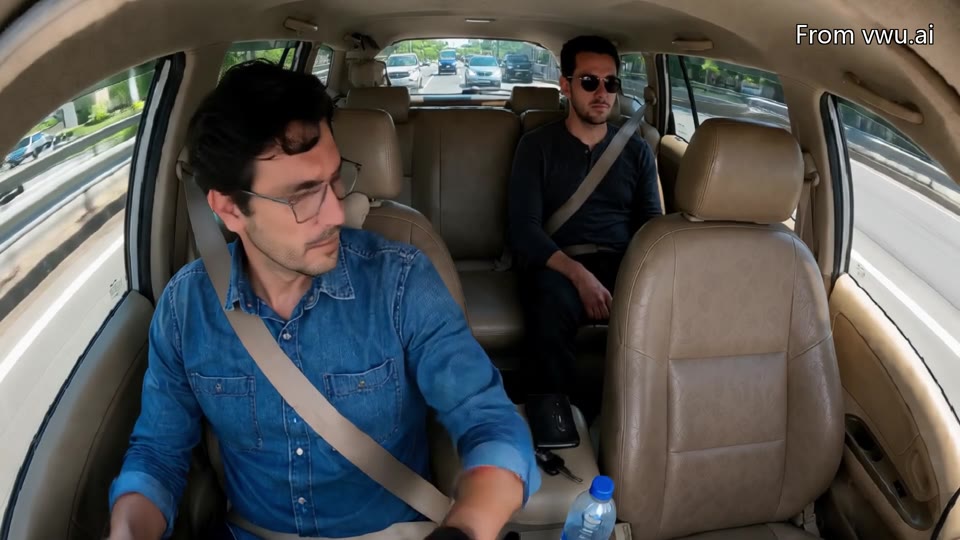
Review the action sequence, object context and camera viewpoint.
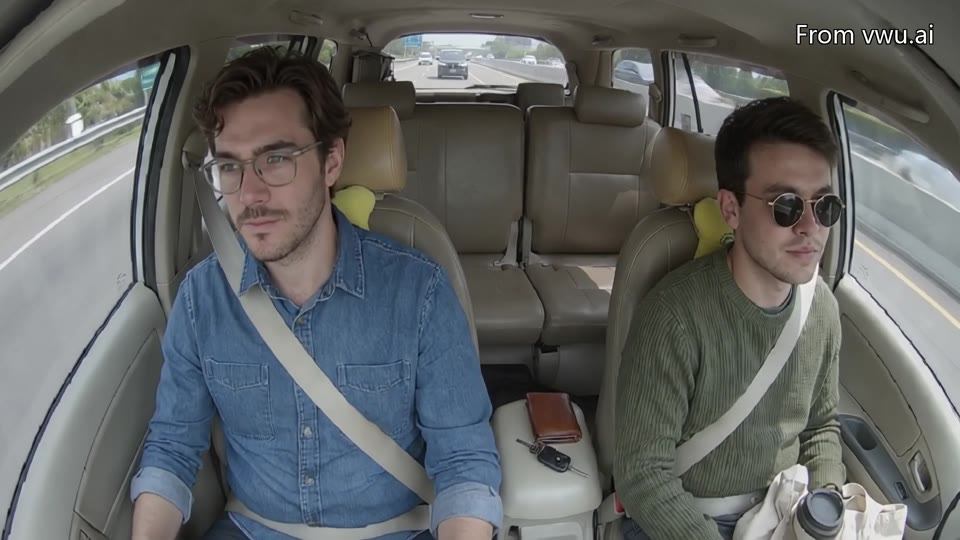
Distinguish the visible head turn from assumptions about gaze or intent.
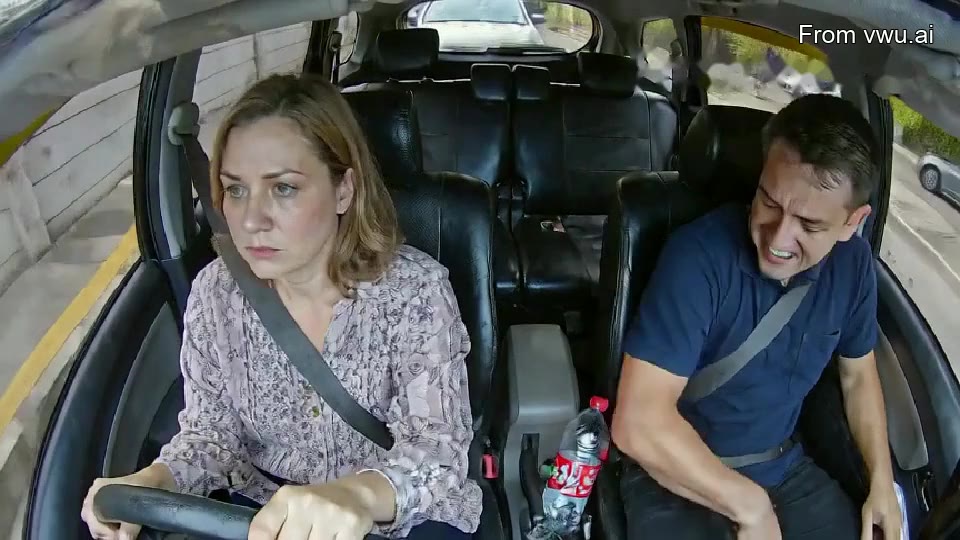
Synthetic rare-scenario demonstration; discuss observable interactions and label boundaries.
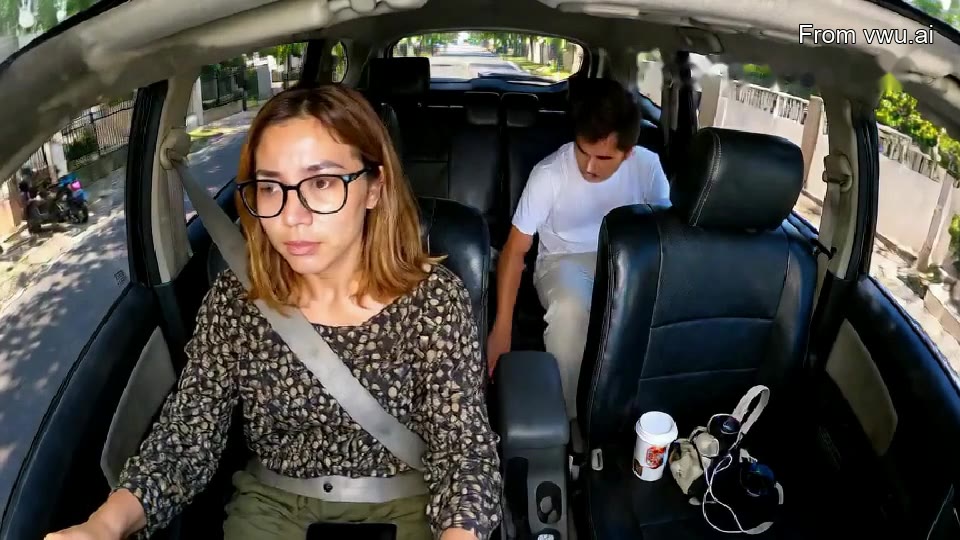
Synthetic rare-scenario demonstration; assess the visible action without inferring intent.
Connect the visible evidence with the project task instead of approving volume production on visual appearance alone.
Identify the target person and action interval. Record whether the action is complete, whether context is needed and why a similar behavior should not belong to the same class.
Check people, seating, viewpoint, lighting and occlusion. Public demonstrations show only some conditions. Request and validate other conditions separately rather than assuming they are already covered.
Define classes, time units, entity identifiers, coordinates and unknown cases. When a video cannot establish a requested label, keep that uncertainty explicit instead of adding an unsupported interpretation.
Use the project sample to test media, annotations and metadata in your importer. A public demonstration clip is not a dataset delivery with a full annotation package and agreed usage rights.
This page presents public demonstrations. It does not disclose new customer information or claim customer model-training results.
| Evidence type | What it can show | What still needs confirmation |
|---|---|---|
| Public demonstration | A scene and visible behavior that can be discussed | Whether the task, specification and labels can be met |
| Project sample | Whether agreed sample requirements and review rules are satisfied | Batch conditions, quantity and delivery scope |
| Authorized customer case | A verifiable project process and outcome within approved disclosure | Customer permission, disclosure scope and supporting records |
Choose the demonstration closest to your task and state which conditions should remain and which should change.
Describe the required viewpoint, person roles or action boundaries. A request for more clips like this leaves acceptance ambiguous; state what an acceptable new sample must show.
Explain what passes, what needs correction and which features negative examples should retain. Share a non-confidential version of an existing guideline if one is available.
Provide the training or evaluation use, quantity, video specifications, label fields and target schedule. Usage rights, sample arrangements and delivery scope are then confirmed for the project.
Record sample feedback against the scene and rule version. Batch production follows the approved scope; new conditions require appropriate validation instead of inheriting an unrelated approval.
Share your task, scenarios, video and annotation requirements and target schedule to discuss a testable project sample.