
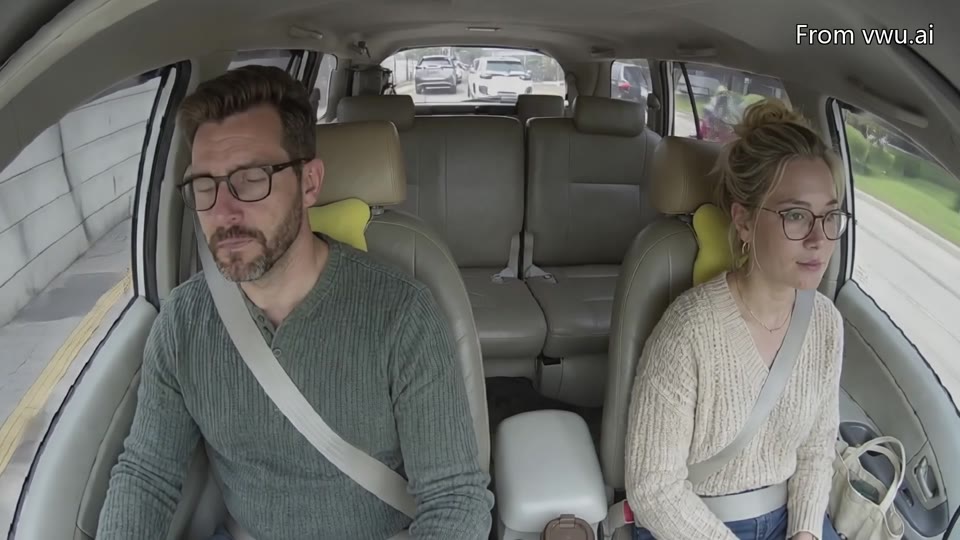
Cognitive distraction
A published in-cabin example for reviewing distraction-related behavior.
Custom synthetic in-cabin video for DMS and OMS models: driver fatigue, distraction, phone use and occupant behavior.
These clips show examples already published on our homepage. A project sample establishes whether the requested scenario, visual quality, and labels meet your requirements.
A published in-cabin example for reviewing distraction-related behavior.
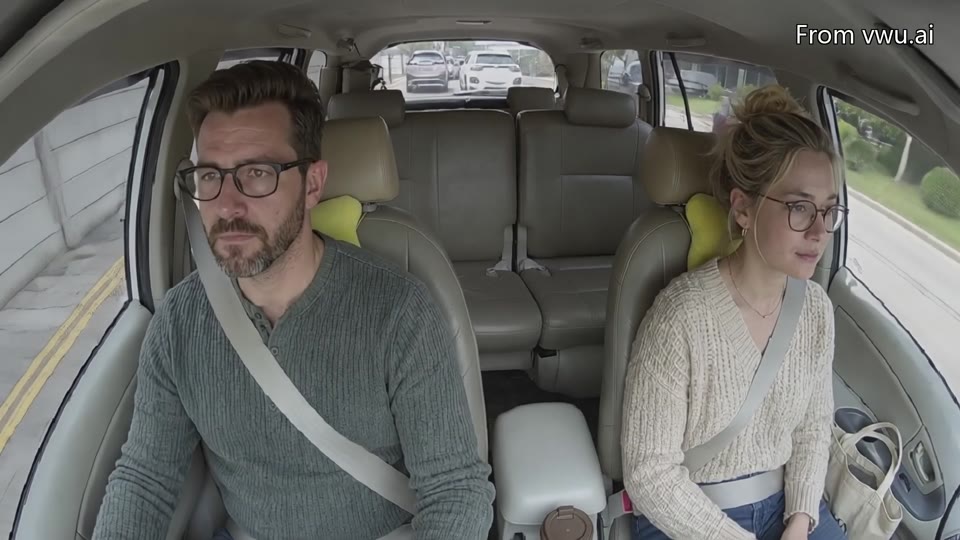
A published fatigue example for discussing the visual cues your model needs.
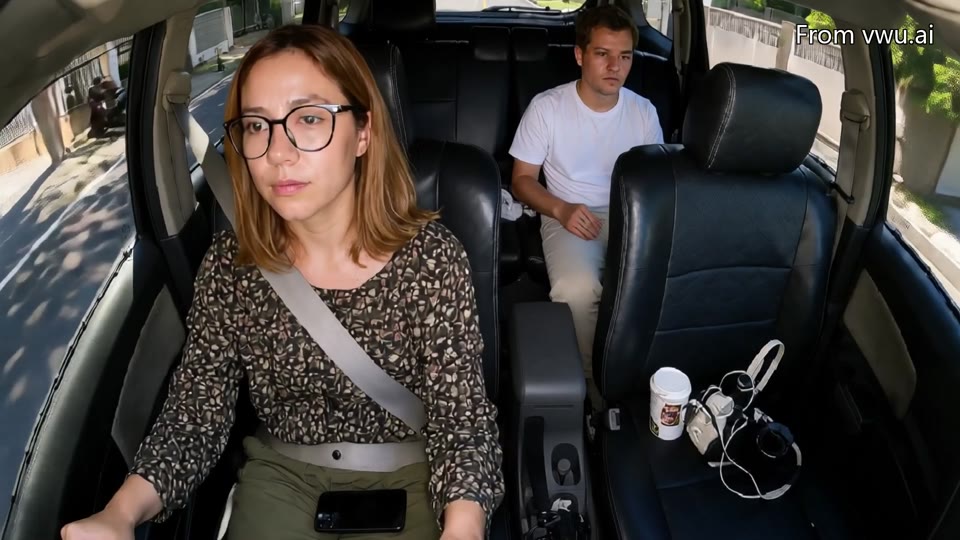
A phone-use example to help define the action and annotation scope.
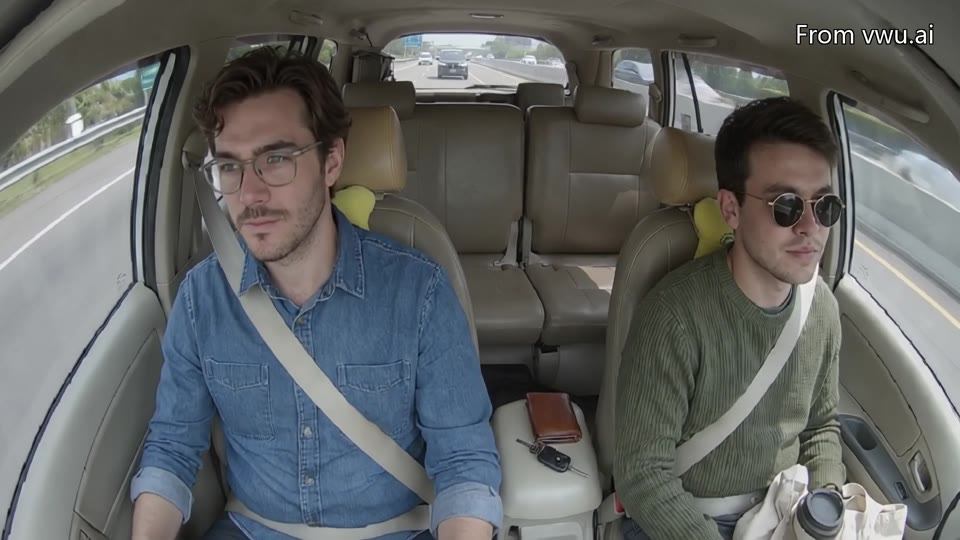
A head-turn example to discuss viewpoint and behavior classification.
Start with target behaviors and sample requirements. Agree the production scope, annotation format and acceptance criteria before scaling.
Requirements → Sample review → Production & delivery
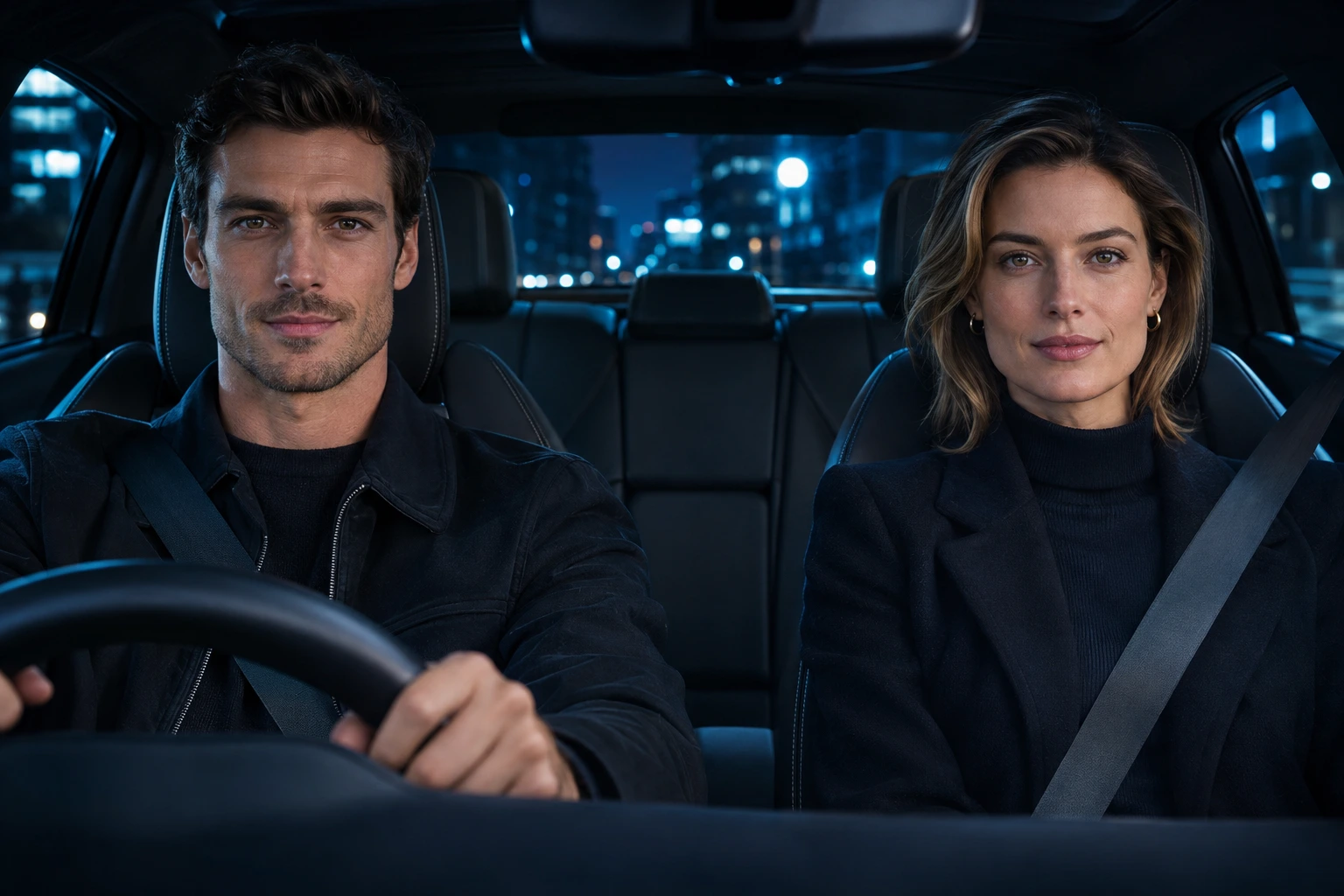
chan@vwu.aiAn original synthetic concept scene for interaction, not a model recognition result.
Define the behavior taxonomy, positive and negative examples, and acceptance criteria before production. Scenario feasibility and quality are checked during sample validation.
Specify visible fatigue cues and their duration. Agree what counts as a positive example, a subtle sign, or a normal behavior for the dataset.
Describe the attention-related actions your model should recognize, such as looking away, looking back, or searching for an object. Define the required context and labels.
Request clearly specified phone-use actions, camera views, and scene variations. Keep the action definition consistent across generated clips and annotations.
Define passenger-driver interactions and rare safety scenarios. People, positions, actions, and timing are reviewed at the sample stage before batch production.
Specify the scene, video, and annotation requirements together. Select the variables that matter to your deployment, then validate representative combinations.
Agree the deliverables and quality checks before scaling. Quantities, schedules, and annotation scope are confirmed for each project.
Share the target behaviors, cabin setup, camera view, clip duration, quantity, and annotation needs. Include how the dataset will be evaluated.
Review a representative sample before batch production. Agree on scenario accuracy, visual quality, labels, and the delivery structure.
Produce the agreed scenarios, review their content and video quality, check duplicates, and complete the annotation scope defined for the project.
Receive the agreed video files, annotations, and metadata. For validated scenarios, discuss additional people, environments, or action variations.
Before production, use the DMS and OMS training data procurement and acceptance checklist to define behavior labels, metadata and evaluation splits.
Define observable behaviors and delivery rules before quantity. These fields support requirements discussions; sample review establishes the project scope.
Define resolution, clip duration, frame rate, aspect ratio, viewpoint and lighting. Confirm quantity and schedule against the scope established after sample review.
Define onset, offset and overlap rules for fatigue cues, gaze changes, phone actions and occupant interactions. Label normal actions and unjudgeable intervals separately.
Illustrative fields: clip_id, actor_role, behavior, start_ms, end_ms, visibility, review_status. This is a requirements example, not an extract from a customer delivery.
Agree video files, labels, metadata and version notes. Group evaluation splits by person, scenario or generation setup so near-duplicate clips do not cross training and test partitions.
Document acceptance checks, rejection reasons and re-review rules before scaling production.
Review ordinary, boundary and confusable scenarios together, including normal blinking versus sustained eye closure, and a mirror glance versus sustained attention away from the road.
Check occlusion, whether the action is visible, timing boundaries and label consistency. Mark unjudgeable intervals rather than forcing a positive or negative label.
Verify playback, duration, frame rate, duplicate clips, annotation-to-file references and the manifest. Record rejection reasons, corrections and re-review decisions.
Synthetic video can extend scenario coverage. It does not replace validation in the real deployment environment, establish a driver’s physiological state, or guarantee model-accuracy gains.
Send your scenario list and delivery requirements through our existing data request form.
This service produces custom datasets from your training requirements. Use the published clips to discuss a sample; the final scope and deliverables are agreed for your project.
Describe the people, actions, seating positions, and camera view you need. We assess the request and validate a sample before committing to batch production.
The homepage lists behavior labels, temporal labels, descriptions, bounding boxes, and keypoints. Specify the exact fields, resolution, duration, and output structure you need so the annotation scope and format can be confirmed.
Agree acceptance criteria at the sample stage, including scenario accuracy, video quality, and annotation checks. Evaluate samples with your own model or review process before scaling; no model-accuracy improvement is promised.
Submit the scenario list, quantity, video specification, annotation needs, and target schedule through the data request form. Sample arrangements, price, timing, and usage terms are confirmed for the project.
Share the behaviors missing from your current dataset. We will discuss a production plan and sample validation before scaling.